


Something extraordinary is unfolding
Lease vs Buy for 2026 in Ohio
How Mileage, Taxes, and Your Next 2 to 4 Years Change the Math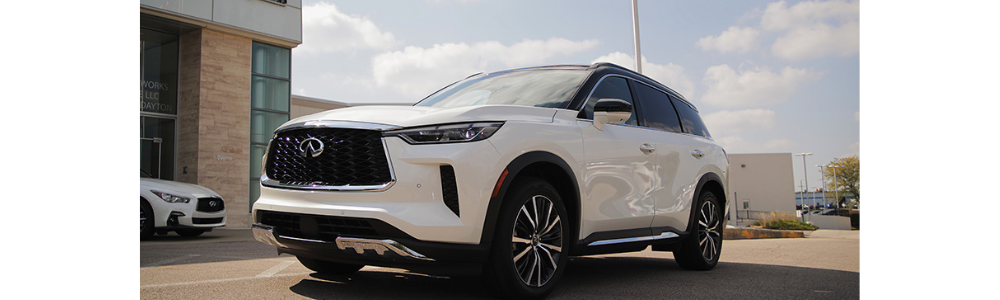
Car decisions in 2026 feel more personal than they used to. Rates still nudge payments up or down, insurance costs can surprise you, and used-car values don’t always behave the way you expect.
So the best choice isn’t “lease is cheaper” or “buy is smarter.” It’s about mileage, taxes, and your plan from 2026 to 2029. If your week looks like I-75 commuting, school drop-offs, and weekend trips around the Miami Valley, the same vehicle can fit two households very differently. This guide is the simple math and lifestyle check that helps you decide, whether you’re considering an INFINITI lease or leaning toward ownership.
Start with your life plan for 2026 to 2029, it decides lease vs buy fast
Before you compare quotes, decide what kind of flexibility you need. The numbers are important, but your timeline is the steering wheel.
Here’s a quick checklist to point you in the right direction:
Timeline: Do you want to switch vehicles in 2 to 3 years, or keep it 5 to 8?
Miles: Is your driving predictable, or does it swing month to month?
Cash flow: Would you rather spread taxes and costs over time, or pay more upfront to own sooner?
Change risk: Is there a new job, a move, a growing family, or a shift to remote work coming?
A few Dayton-area examples make this click:
New job in Cincinnati with a heavier I-75 commute, miles may jump fast.
Growing a family, you may need a different size vehicle within 2 to 4 years.
Remote work, miles may drop, and a lower-mile plan might fit well.
Possible move out of state, you may want an easy exit.
When leasing usually wins
Leasing often fits drivers who want newer tech and less hassle on a predictable schedule.
Leasing usually looks best when:
You like driving a newer luxury vehicle every 2 to 3 years.
You prefer warranty coverage while you own the vehicle.
You want a lower payment compared to financing the same vehicle.
You value predictable costs and don’t want to worry about selling later.
Your annual miles are close to average and pretty steady.
You want the latest safety tech and infotainment without waiting years to upgrade.
When buying usually wins
Buying tends to win when you’re playing the long game and you don’t want mileage limits.
Buying usually makes sense when:
You plan to keep the vehicle for 5 to 8 years.
You drive high miles, or your miles are hard to predict.
You want to build equity, even if it’s slow at first.
You want the option to modify the vehicle (tint, wheels, accessories).
You like the idea of a paid-off vehicle later.
You’re comfortable handling resale, trade value, or a private sale.
Buying can be especially strong if you expect to keep the vehicle well past the loan term. Those payment-free years can be the cheapest driving you’ll ever do.
Mileage changes the math in Ohio, how to estimate your real miles and avoid surprises
Mileage is the biggest swing factor in a lease. It’s the difference between “this is perfect” and “why did this get expensive?”
Ohio driving adds its own twists. Winter detours, road work, and long weekends can quietly stack miles. A “quick” trip to Columbus, Cincinnati, Indianapolis, or even Michigan adds up faster than most people expect, especially if you’re doing it a few times a month.
How to estimate your annual mileage in 10 minutes
Use a simple formula, then sanity-check it with real records.
Quick formula:
Commute miles (round trip) × workdays per year
Plus weekly errands miles × 52
Plus road trips miles per year
Ways to verify:
Last year’s oil change stickers or service invoices (mileage and date).
Your insurance app’s annual mileage estimate.
Phone map timeline history.
Example (Miami Valley commuter):
If you drive 22 miles round trip to work, 230 workdays is about 5,060 miles. Add 80 miles a week for errands and kid activities (about 4,160 miles). Add 2,000 miles for trips to Cincinnati, Columbus, and a summer vacation. That’s roughly 11,000 to 12,000 miles per year.
What happens if you drive more than your lease allows
If you return the vehicle at lease end, miles over your limit usually cost a per-mile charge. It can feel small per mile, but it adds up quickly when you’re over by thousands.
Practical ways to avoid the sting:
Choose a higher mileage allowance upfront if you already know you’ll need it.
Ask if prepaying miles is available and how it compares.
Consider buying if your miles are unpredictable (new territory sales job, frequent family travel).
If you still love the vehicle, plan for a lease buyout path, since excess miles generally matter most when you return it.
Low mileage drivers, why leasing can be a sweet spot
If you drive less, leasing can feel efficient because you’re paying for less vehicle use, and the vehicle often stays in a cleaner condition for turn-in.
Low-mile situations that often fit leasing:
Retirees who drive mostly local roads.
Remote workers who only commute a few days a month.
Two-car households where one vehicle is the “trip car.”
One small caution: very low use can be hard on a vehicle in other ways. Batteries can weaken if the car sits, and tires can develop flat spots. A short weekly drive helps keep everything happy.
Ohio taxes and fees in 2026, what you pay on a lease vs a purchase

Taxes and fees are where people get confused fast, because the total depends on the county you live in, the structure of the deal, and what’s included in the transaction. The concepts are steady though, and once you know the pattern, you can read a quote with confidence.
A good habit is to ask for a full out-the-door worksheet so every line item is visible.
How sales tax works on a lease payment in Ohio
In Ohio, lease taxes are generally paid over time as part of your monthly payment (and sometimes on certain upfront items). That matters for cash flow.
Instead of paying sales tax on the full purchase price at the start, you’re usually paying tax as you go. For many households, that makes budgeting easier and keeps “due at signing” from ballooning.
How sales tax works when you buy, and how trade-ins can help
When you buy, sales tax is generally based on the purchase price, and in many cases, a trade-in can reduce the taxable amount. Title and registration are usually separate items.
Simple example: if the vehicle price is $50,000 and your trade-in credit is $15,000, the taxable amount may be based on the difference (rules and details can vary, so confirm on your worksheet). That trade credit can meaningfully shrink the tax bite.
Fees to plan for either way, so the quote does not feel confusing
Most deals include a familiar set of categories. The key is knowing what’s normal and what to ask about.
Common items you may see:
Acquisition fee (often tied to leases)
Disposition fee (often if you return a lease)
Documentation fee
Title fee
Registration and plates
Possible lender-related fees on loans
None of this is meant to scare you, it’s meant to help you compare offers without guessing.
The 2026 money question, compare total cost, not just the monthly payment
A low payment can hide expensive choices. A higher payment can hide a better long-term plan.
A simple lease vs buy worksheet you can do on paper
Write this on one sheet and fill it in from a quote.
Your estimated annual miles.
Term you want (36 months, 48 months, etc.).
Due at signing.
Monthly payment (include taxes if shown that way).
Insurance estimate (same coverage level for both quotes).
Expected maintenance during your time window.
End-of-term action:
Lease: return, buyout, or trade
Buy: keep, sell, or trade
Then compare:
3-year lease cost: due at signing + 36 payments + likely wear items
3-year ownership cost: down payment + 36 payments + likely wear items, minus what you expect the vehicle to be worth if you sell or trade at that point
Insurance, maintenance, and warranties, why plans matter for luxury cars
Leased vehicles are typically newer and under warranty, which can reduce repair risk during the lease. That doesn’t mean maintenance disappears. Tires and brakes still wear, and spirited highway driving can chew through both.
Ohio winters add their own punch. Potholes can lead to wheel and tire damage, and that’s the kind of expense that can hurt. If you’re leasing, it’s smart to ask what protection options exist and what they actually cover.
If you buy and keep the vehicle longer, plan for maintenance that shows up later in the ownership curve. It’s not a reason to avoid buying, it’s a reason to budget with open eyes.
End of term choices, return it, buy it, or trade it
At the end of a lease, you usually have three clean paths:
Return it: You’re done, but you may pay for excess wear or miles.
Buy it: You pay the buyout price, plus taxes and fees.
Trade it: Equity can help the next deal, negative equity can follow you.
A few simple habits reduce surprises:
Inspect early, don’t wait until the last week.
Fix small chips and dings if it’s cost-effective.
Keep service records, they help on trade and can smooth the return process.
If you’re the type who likes to compare real offers, start with current models and pricing so your worksheet is based on today’s numbers: Current INFINITI lease specials
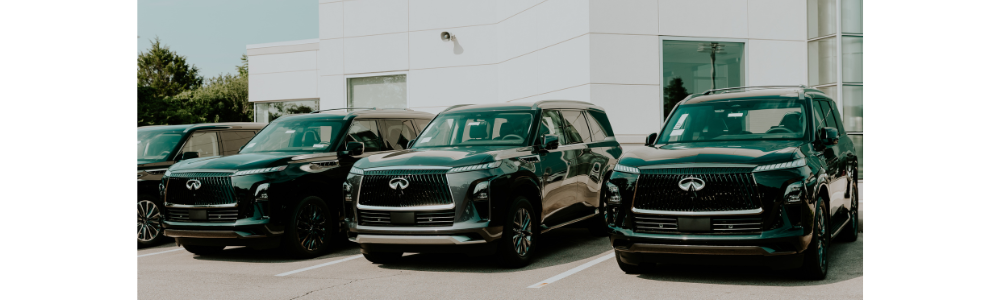
Lease vs buy in Ohio for 2026 comes down to three things:
Your miles (predictable and moderate favors leasing, high or uncertain favors buying).
Your tax cash flow (paying tax over time vs more upfront).
Your 2 to 4-year plan (switch soon vs keep long-term).
If you’re in the Miami Valley, it helps to see both options side by side on the same vehicle, with the same miles and the same money down. Get a personalized lease and buy quote, compare total cost, then choose the plan you’ll still feel good about in 2029. For many drivers, that clarity starts with an INFINITI lease structure and a clean breakdown of buy numbers, so you can pick what fits your life instead of forcing your life to fit the payment.