


Something extraordinary is unfolding
QX80 Towing in Ohio: A Simple Checklist for Hitch, Brakes, and Payload
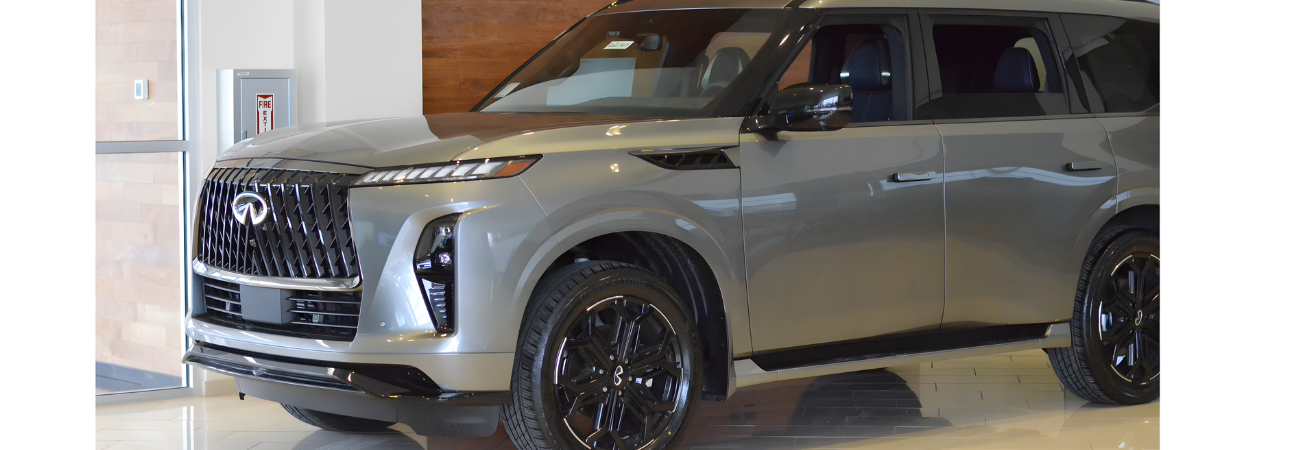
Towing with a full-size SUV should feel steady, not stressful. Whether you're pulling a boat to an Ohio lake, heading to a state park with a camper, or hauling a utility trailer for weekend projects, QX80 towing goes best when you keep the basics tight and repeatable.
This guide is a safety-first, quick-read checklist built for real Ohio driving, rain, road salt, potholes, hills, and gusty open highways. Before every trip, confirm your exact tow rating, payload, and tongue weight in your owner's manual and on the driver's door-jamb label, because trims and equipment vary. Next, focus on four areas: a fast checklist, proper hitch setup, brake controller basics, and simple payload math.
Your QX80 towing checklist for Ohio roads and weather
A good pre-tow routine is like tying your boots before a hike. It's quick, it's boring, and it prevents problems later.
Before you hook up, confirm the numbers that keep you safe
Start with limits, not guesses. These five matter most:
Max tow rating: The most your QX80 can pull (varies by year, drivetrain, and equipment).
Payload: How much weight you can carry inside the SUV, including people, cargo, and tongue weight.
GAWR (front and rear): The max allowed weight on each axle.
GCWR: The max for the SUV and trailer combined.
Tongue weight limit: How much downward force the trailer can put on the hitch.
Look for payload on the Tire and Loading Information sticker on the driver's door jamb. For many owners, payload runs out before tow rating. That's because passengers and gear add up fast, and tongue weight counts too.
Here's an easy way to picture it: if your payload allows 1,400 pounds, and you load 600 pounds of passengers, plus 200 pounds of cargo, you have 600 left. If the trailer's tongue weight is 650 pounds, you're over, even if the trailer is under the tow rating. Roof boxes, coolers, and "just one more bag" in the cargo area all count.
If you're comparing equipment or shopping for a tow-friendly configuration, this overview of hidden towing strengths of the QX80 can help you understand why the platform works so well for families who tow.
5-minute walk-around: tires, lights, chains, and a test stop
Do this walk-around every time, even for short trips. It takes less time than fixing a bad surprise on I-75.
Tires: Set pressure on the QX80 and trailer when cold, check tread, and look for sidewall cracks.
Lug nuts: Confirm they're tight on the trailer wheels, especially after storage.
Mirrors: Adjust for full trailer visibility, add towing mirrors if needed.
Coupler and ball: Fully seated, latch locked, and any safety pin or lock installed.
Safety chains: Cross them under the coupler, keep enough slack for turning, avoid dragging.
Breakaway cable: Clip to the vehicle (not the chains), keep it straight and independent.
Jack and chocks: Jack fully raised, wheel chocks removed.
Lights: Running lights, brake lights, and turn signals, then re-check after you load up.
Load security: Straps tight, tailgate latched, no loose items that can shift.
Test stop: In a safe lot, roll slowly and brake to confirm the trailer brakes engage.
Ohio winter adds one more step. Rinse off salt when you can, and inspect the plug, chains, and hitch for corrosion. A little green crust in a connector can cause flickering lights and weak brake signal.
If anything feels "off" at 10 mph, it won't feel better at 65 mph.
Hitch and wiring basics that make towing smooth and stable
A stable tow starts at the hitch. When parts don't match, the rig can feel like it has a loose hinge in the middle. That's when sway and uneven braking show up.
Match your receiver, ball mount, and trailer coupler the right way
First, confirm the receiver rating on your QX80 and use a ball mount that matches or exceeds it. Next, match the coupler size to the correct ball size. Common ball sizes include 1-7/8 inch, 2 inch, and 2-5/16 inch. A "close enough" ball fit is not close enough.
Also check that every component is rated for the job: receiver, ball mount, hitch ball, pin, and even the safety chains. One weak link can set the limit.
Then level the trailer. On flat ground, you want the trailer to sit level front to back. If it rides nose-high, steering can feel light and braking can suffer. If it rides nose-low, the front of the trailer can feel harsh over bumps, and you can overload the rear of the SUV.
Pick a ball mount with the right rise or drop to get close. After your first short tow, re-check the hitch ball nut torque and the mount hardware. New setups can settle slightly after the first heat cycle and a few bumps.
If you're choosing among configurations, this page on 2025 INFINITI QX80 trim levels is a helpful way to compare features that can affect comfort and confidence while towing.
When a weight-distribution hitch and sway control are worth it
A weight-distribution hitch (WDH) uses spring bars to shift some tongue weight forward, which can reduce rear sag and help the front axle keep better contact. As a result, steering often feels more planted, and braking can feel more even.
It's common with travel trailers, especially when tongue weight is significant. Sway control also helps when Ohio winds pick up, or when semis pass you on open stretches.
Still, setup matters. Follow the hitch maker's instructions step by step, and confirm your specific QX80 configuration is approved for weight distribution if the trailer and hitch call for it. If you're not sure, a quick inspection and setup check can save a lot of frustration later.
Brake controller and payload basics, so you can stop and stay within limits
Ohio towing can mean stop-and-go traffic near Dayton, wet pavement after a quick storm, and the occasional long downhill in hilly areas. Your goal is simple: predictable braking and a level stance, without exceeding limits.
Brake controller setup, gain, and what "good braking" feels like
Many medium and larger trailers use electric brakes, which typically require a brake controller. The controller sends power to the trailer brakes when you slow down, so the trailer helps the whole rig stop.
A simple setup routine works well:
Connect the trailer, then confirm the plug is fully seated (often a 7-pin).
Start with low gain.
In a safe area, roll at about 20 to 25 mph and brake firmly.
Increase gain until the trailer clearly helps you slow down, without jerking or locking the wheels.
Use the manual lever (if your controller has one) for a quick rolling check. If the trailer brakes feel grabby, the gain is too high. If the trailer feels like it's pushing the SUV during braking, gain is too low, or the trailer brakes need service.
Also check the breakaway battery and the trailer brake condition. A controller can't fix worn shoes, damaged wiring, or a weak ground.
Payload math made easy: a quick way to avoid overload and sag
Payload is your "budget," and towing spends it quickly. Use this quick method before you pack:
Start with the payload number from the door sticker.
Subtract people (include kids, pets, and that friend who "doesn't count").
Subtract cargo in the SUV (coolers, tools, luggage).
Subtract accessories (aftermarket bumpers, racks, cargo carriers).
Subtract tongue weight.
Tongue weight counts because it presses down on the QX80's suspension like cargo in the trunk. For many trailers, tongue weight is often around 10 to 15 percent of trailer weight, but verify what fits your trailer type and loading.
If you're close to the limit, reduce stress on the SUV: move some cargo into the trailer (without exceeding trailer ratings), travel with less water in RV tanks, and keep heavy items low and centered. For real peace of mind, use a public scale to confirm total weight and axle weights.
If the rear sags and the steering feels light, treat it as a warning sign, not a "normal towing feel."
When you want a second set of eyes, the factory-trained team at Evans INFINITI of Dayton's service department can inspect tires, brakes, and towing-related wear before the next trip.

Conclusion
Safe towing comes down to four pillars: a quick walk-around checklist, a correctly matched hitch setup, a brake controller that's dialed in, and payload that stays under the limit. Do those well, and QX80 towing feels calm even when Ohio weather turns or the road gets rough.
Before your next lake day or camping weekend, schedule a pre-tow inspection for tires, brakes, wiring, and fluids, and get help verifying hitch height and connections. Set your next trip up for fewer surprises by using online service scheduling at Evans INFINITI of Dayton, or stop in to test drive a QX80 if you're shopping for a confident tow-ready SUV.