


Something extraordinary is unfolding
Trade-In Value Tips for Dayton Drivers
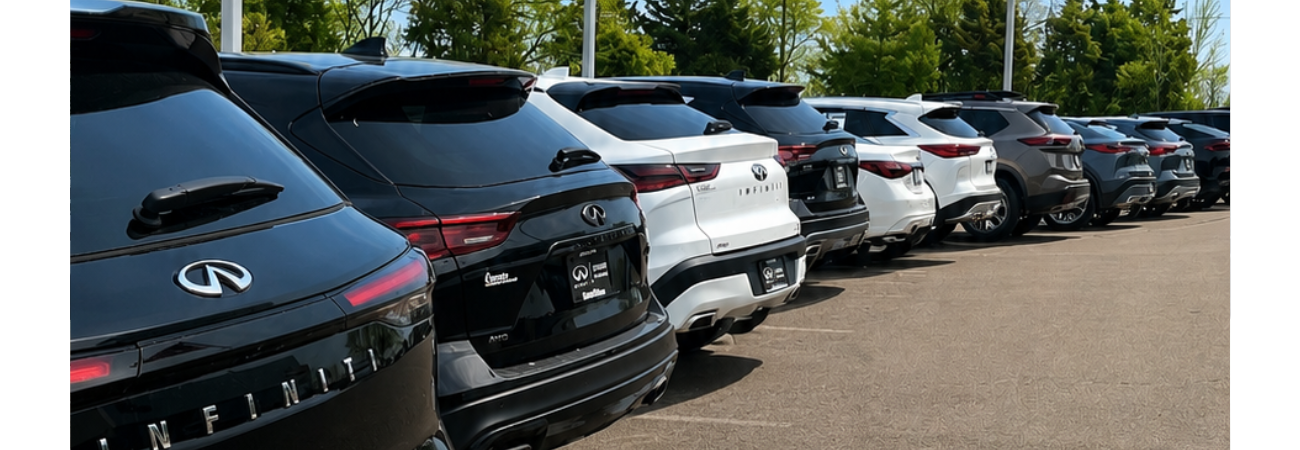
Small flaws can make a vehicle look less valuable than it really is during a trade-in appraisal. In Dayton and across the Miami Valley, winter road salt, potholes, and fast-changing weather leave visible clues on cars and SUVs.
A few affordable fixes, a careful cleaning, and organized service records may support a stronger trade-in value. However, costly repairs don't always pay for themselves. Start with the items a dealer can see, test, and price quickly.
What Shapes Your Trade-In Value in Dayton?
A dealership considers more than a vehicle's paint and interior. Age, mileage, trim level, accident history, title status, maintenance records, and local demand all affect an offer. A popular, clean SUV may draw more interest than a similar vehicle with neglected tires or warning lights.
Dealers also account for reconditioning costs before resale. That can include inspection work, tires, body repairs, detailing, and repairs needed to meet safety standards. A clean vehicle with clear records is easier to evaluate because it creates fewer unanswered questions.
Cosmetic touch-ups can help the vehicle present better, but they won't erase high mileage, a branded title, major accident damage, or mechanical trouble. Set expectations with a current estimate, then focus your time and money on practical improvements.
Local wear that can hurt an offer
Miami Valley winters can leave salt buildup around wheel wells, rocker panels, and underbody components. Surface rust deserves attention before it spreads, while deep corrosion needs an honest appraisal discussion.
Potholes can also cause uneven tire wear, wheel damage, vibration, or alignment concerns. Address safety-related tire issues first. Cracked windshields, faded paint, and filthy winter floor mats can also make a vehicle appear more expensive to recondition than it may be.
Check the market before spending money
Review several valuation sources and compare nearby listings with the same year, trim, mileage, and condition. Online estimates are useful starting points, not guaranteed offers.
Write down features such as all-wheel drive, premium audio, recent tires, and major maintenance. Also list known flaws. That information helps you decide whether a repair has a realistic chance of improving your trade-in value.
Quick Fixes That Can Raise Your Trade-In Offer
Put your effort into safety, appearance, and proof of care. Minor problems don't always reduce an offer dollar for dollar, but visible neglect can lead an appraiser to expect more hidden problems.
Give the inside and outside a real cleaning
Remove trash, personal belongings, pet hair, and anything stored in the trunk or glove box. Wash the exterior, clean the wheels, vacuum seats and carpets, and wipe down the dashboard, door panels, and cupholders.
Pay extra attention to salt residue on floor mats and lingering odors. An air freshener can't cover smoke, mildew, or pet odors, so clean the source instead. Basic supplies may cost about $20 to $50, depending on what you already have.
Professional detailing can make sense for a newer or higher-value vehicle. Still, a careful do-it-yourself cleanup often delivers most of the benefit.
Handle low-cost safety and maintenance items
Replace burned-out exterior bulbs, worn wiper blades, and a weak key-fob battery. Check tire pressure, top off appropriate fluids, and replace a missing gas cap. Prices vary by vehicle and shop, but wiper blades often run about $20 to $60 per pair, while a key-fob battery is usually inexpensive.
Repair a loose trim piece or a small windshield chip when the work is affordable and appropriate. Don't reset or hide a dashboard warning light without fixing the cause. An appraiser can spot stored diagnostic codes, and undisclosed problems weaken trust. A clean car with working basics often makes a better first impression than a car with expensive cosmetic upgrades.
Show proof of care with records and spare keys
Gather oil-change receipts, tire invoices, repair records, the owner's manual, and both key fobs. Complete records can support your description of the vehicle and reduce uncertainty during the appraisal.
Before you hand over the keys, remove saved phone contacts, garage codes, navigation destinations, and logged-in accounts from the infotainment system. If you're ready to compare estimates, you can get an instant trade-in appraisal before visiting the dealership.
Repairs That May Not Be Worth It Before Trading
Major engine, transmission, suspension, paint, or body repairs can cost thousands. The added trade-in offer may not match what you spend. Get a written estimate first, then consider whether the issue affects safety, drivability, or resale appeal.
For example, a dangerous tire or brake problem deserves immediate attention. On the other hand, a large dent or aging transmission may be better disclosed than repaired solely to trade the vehicle. A dealer can evaluate known flaws and price them into the offer.
Private-party values and trade-in values are also different. Selling privately may bring a higher price, but it requires time, advertising, meetings, and paperwork. A trade-in can offer convenience and may provide sales-tax savings, depending on the transaction and current Ohio rules.
Use a short pre-trade inspection checklist
The day before your appraisal, take a few minutes to review the basics:
Check tire pressure and look for dashboard warning lights.
Confirm that lights, windows, locks, and the climate controls work.
Remove belongings and clean the cabin, cargo area, and floor mats.
Collect service records, both keys, title documents, and payoff information.
Record the mileage and take clear photos of existing damage.
Write down recent repairs so the appraisal conversation stays accurate.
How to Present Your Vehicle and Compare the Offer
Bring your driver's license, registration, title or loan information, spare keys, and maintenance records. Be direct about accidents, repairs, and problems that still need attention. A clean title and realistic condition details make the appraisal process easier.
When reviewing an offer, separate the trade-in amount from the next vehicle's price, financing terms, fees, and any remaining loan payoff. Don't judge the deal by the monthly payment alone. Ask how the offer was determined, then compare it with a few current estimates before deciding.

Get Ready for a Fairer Appraisal
Cleaning your vehicle, fixing inexpensive safety items, and bringing records can help it show its best condition. Mileage, demand, vehicle history, and mechanical health still carry substantial weight.
Prepare the car before the appointment, then compare the complete deal rather than focusing on one number. A well-organized appraisal gives you a clearer picture of your vehicle's trade-in value.