


Something extraordinary is unfolding
INFINITI Multi-Point Inspection: What Surprises Owners
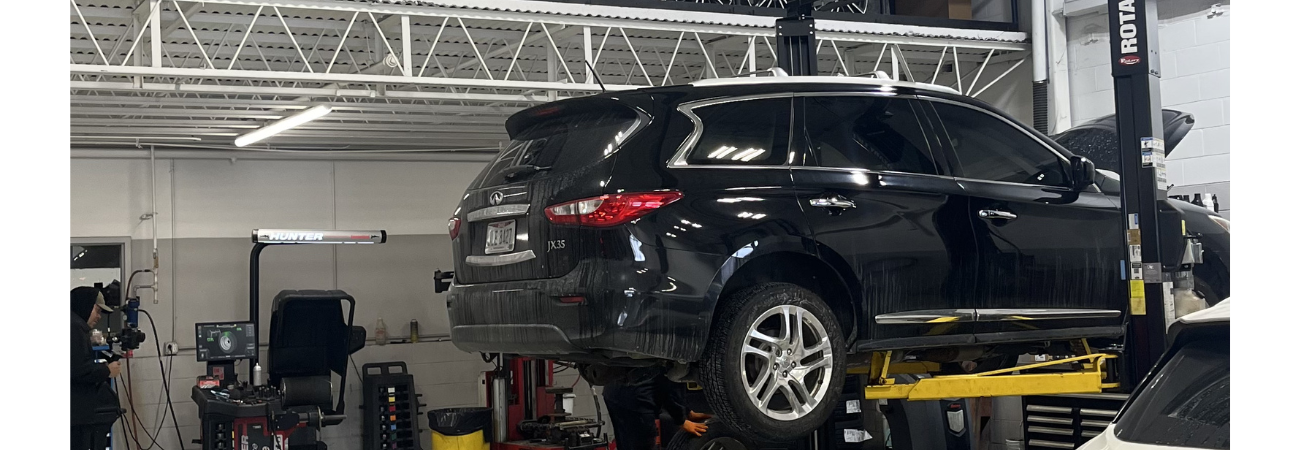
An INFINITI Multi-Point Inspection is a comprehensive car inspection, not just a quick look under the hood. The dealership service department handles this important part of proactive vehicle maintenance. Drivers often pair it with an emissions test or smog check, while valet service can make the visit more convenient.
Tire condition, battery health, fluid seepage, software updates, and small electrical issues often surprise owners because the vehicle may still drive normally. A clear inspection report helps you understand its current condition before buying or approving service.
Key Takeaways
An INFINITI Multi-Point Inspection provides a practical snapshot of the vehicle’s safety, maintenance, electronics, and overall condition.
Common surprises include uneven tire wear, weak batteries, fluid seepage, worn filters, software updates, and small electrical or sensor issues.
Inspection reports are most useful when they include measurements, photos, fault codes, and a clear distinction between urgent repairs and items to monitor.
Address safety concerns first, then plan routine maintenance using the report, written estimates, vehicle history, and recommended INFINITI maintenance schedule.
A multi-point inspection can help owners and shoppers prevent unexpected failures and make more informed service or purchase decisions.
What Happens During an INFINITI Multi-Point Inspection
During the inspection, certified technicians review the vehicle from the outside in. This multi-point vehicle check starts with a walkaround and digital inspection tools. It then moves to under-hood checks, specialized service bays within the repair facility, and a road test when appropriate.
The service department manages the inspection workflow. The exact checklist can vary by model, model year, mileage, maintenance history, and dealership procedures.
Technicians may also connect diagnostic equipment to check stored fault codes, warning messages, or available system updates.
An inspection doesn't involve dismantling the engine, transmission, or every interior panel. It also can't promise that no repair will appear later. Instead, it gives you a practical snapshot of parts that are worn, damaged, low on fluid, or due for attention.
The Safety Checks Owners Expect to See
During this car inspection, technicians commonly inspect brake pads, rotors, tires, steering, suspension, lights, windshield wipers, seat belts, and visible fluid leaks. If a Check Engine light is detected, they may run a diagnostic test and review exhaust and powertrain sensors. These checks can help verify that vehicle emissions meet standard thresholds before an upcoming smog check or formal emissions test, though they don't replace a required emissions test.
A complete car inspection goes beyond a quick glance at the tires. A report may include tread depth, uneven wear, sidewall damage, and tire pressure. Warning lights also deserve attention, even if they only appear occasionally. The spare tire or tire repair kit may be checked as well, since many owners forget it exists until they need it.
The Maintenance Checks That Are Easy to Overlook
Under the hood, the technician may check engine oil, coolant, brake fluid, washer fluid, belts, hoses, filters, and battery terminals. Transmission and power steering fluid may also be reviewed when the vehicle uses serviceable fluid systems.
A vehicle can start, stop, and drive smoothly while still needing a filter replacement, fluid service, or battery test. Many owners pair the inspection with an oil change or broader factory-scheduled maintenance. For a useful long-term reference, compare the report with the recommended INFINITI maintenance by mileage.
Surprising Findings in an INFINITI Multi-Point Inspection
Most findings aren't dramatic failures. They are small signs of wear that can affect reliability, comfort, or safety if left unchecked. That distinction matters when you're evaluating a pre-owned INFINITI or deciding which service recommendation deserves attention first.
Tires Can Look Fine and Still Need Attention
A tire can have visible tread yet still raise concerns. An in-depth car inspection checks for uneven wear, low pressure, sidewall cracking, tire age, and mismatched tires. Each issue can change how the vehicle handles and how long the tires last.
Differences in tread depth matter even more on an all-wheel-drive vehicle. Significant variation can place extra strain on drivetrain components. A tire protection program such as tire advantage may help with replacement costs, but it can't correct existing damage. Proper inflation and regular rotation help preserve handling, fuel economy, and tire life.
Battery Health, Electronics, and Software Are Part of the Review
A 12-volt battery may start the vehicle today and still test weak under load. Cold winters and hot summers can expose a battery that has lost capacity, so a terminal inspection and charging-voltage test provide useful context.
Master technicians also evaluate sensor data and stored diagnostic codes. They may check key fob operation, exterior and interior lights, cameras, parking sensors, infotainment response, and dashboard messages. Sensor anomalies can trigger a Check Engine light and affect vehicle emissions. They may also prevent the readiness criteria needed for annual state registration.
On newer models, a diagnostic scan may identify available software updates. A missed update or weak battery can cause features to behave inconsistently before a driver sees a permanent warning light.
Small Leaks and Wear Can Point to Bigger Future Costs
During a car inspection, inspectors look for seepage around the engine, transmission, cooling system, shocks, and axle areas. A damp or dirty component isn't always an active leak. However, fresh fluid, drips, or a dropping fluid level calls for a closer look.
An exhaust leak or early catalytic converter issue can cause a surprise failure during an official smog check or emissions test. Other common surprises include worn wiper blades, dirty cabin or engine air filters, loose trim, noisy brakes, and suspension sounds over bumps. Addressing a small issue early often gives you more time to plan the repair and avoid related damage. A report should distinguish between an item to monitor and a condition that needs repair now. Those categories shouldn't be treated the same.
How to Read the Inspection Report and Decide What to Do Next
A useful digital inspection shows each system’s condition and includes measurements when they help. Brake pad thickness, tire tread depth, battery test results, and fluid condition provide more context than a simple “pass” or “fail.”
Photos can also help you see a torn wiper blade, leaking component, cracked tire sidewall, or worn brake pad. Ask for a written estimate before approving work, especially when multiple recommendations appear during the same visit.
Separate Safety Repairs From Routine Maintenance
After the car inspection, start with safety-related findings. Severely worn brakes, damaged tires, steering problems, major leaks, and active warning lights should move to the top of your list.
Fault codes connected to a Check Engine light may also need prompt attention, especially before an upcoming smog check or emissions test. Next, consider maintenance items with a shorter timeline, such as a weak battery, dirty filters, aging wiper blades, or fluid service. Cosmetic concerns should appear separately, making true needs easier to compare with items that can wait.
Questions to Ask Before Buying or Approving Repairs
Ask what makes a repair urgent, what measurement supports the recommendation, and how long the work can reasonably wait. Consult the service department and parts department about repair timelines, component availability, and whether replacements use genuine OEM parts.
Confirm what the quoted price includes, such as parts, labor, taxes, and related shop supplies. Verify estimates through an authorized retailer or certified repair facility, and ask whether extended repairs qualify for a loaner vehicle or valet service.
If you're shopping, compare the report with the vehicle history, warranty coverage, and your test-drive impressions. A certified pre-owned INFINITI inspection can also help clarify what certification covers and what routine maintenance still belongs to the owner.
A dealership can explain model-specific service needs, but you should still ask for the evidence behind each recommendation. Clear answers make decisions easier.
Frequently Asked Questions
What is included in an INFINITI Multi-Point Inspection?
A certified technician typically reviews the tires, brakes, steering, suspension, fluids, battery, lights, wipers, visible leaks, and key electronic systems. The exact checklist may vary by INFINITI model, mileage, maintenance history, and dealership procedures.
Can an INFINITI Multi-Point Inspection replace a smog check or emissions test?
No. An inspection may identify Check Engine light issues, exhaust concerns, or sensor problems that could affect emissions readiness, but it does not replace a required smog check or formal emissions test.
What should I do if the inspection report lists several repairs?
Start with safety-related concerns such as damaged tires, severely worn brakes, steering problems, major leaks, or active warning lights. Then compare measurements, photos, urgency, and written estimates before approving routine maintenance or cosmetic work.
Can a vehicle pass the inspection and still need repairs later?
Yes. A multi-point inspection provides a useful snapshot but cannot predict every future failure or guarantee that no repair will appear later. Monitoring wear items and following the recommended maintenance schedule can reduce unexpected problems.
Should I get an inspection before buying a pre-owned INFINITI?
Yes. The report can help you compare the vehicle’s current condition with its history, warranty coverage, and test-drive impressions. For additional context, review what a certified pre-owned INFINITI inspection includes and ask for evidence behind each recommendation.
A Clearer Picture of the Vehicle
An INFINITI multi-point inspection gives owners and shoppers a grounded view of the vehicle's condition. Routine multi-point inspections support long-term reliability by uncovering worn tires, battery concerns, fluid issues, filters, electronics, software problems, and early leaks. A comprehensive car inspection can also help prevent surprise failures.
Focus on safety first, then use measurements, photos, and written estimates to plan the remaining work. Staying ahead of issues may prevent a sudden Check Engine light before a required emissions test or smog check. A good report turns maintenance into a manageable schedule instead of a surprise at the service counter.
Ask about valet service as part of a convenient luxury service experience, then schedule service today to keep your INFINITI running with confidence.